Room 202-3, Building 30, No. 220 Xianggong Road, Xiangzhou District, Zhuhai City
08.00 AM-09.00 PM
In today's rapidly evolving manufacturing landscape, efficiency, precision, and sustainability are no longer optional – they are critical for survival and success. The pressure to optimize production processes, reduce downtime, and minimize environmental impact is driving manufacturers to meticulously examine every component within their machinery. Among these components, gear motors are emerging as key factors significantly influencing overall performance, and manufacturers are increasingly prioritizing their selection and optimization. This article delves into the reasons behind this shift, exploring the benefits, challenges, and future trends related to gear motor performance optimization in modern manufacturing.
Gear motors are power transmission devices that combine the functionality of a motor and a gearbox in a single unit. They are indispensable in a vast array of manufacturing applications, from robotics and automated assembly lines to conveyors, printing presses, and CNC machines. Their ability to translate motor speed and torque into a more suitable output for specific tasks makes them uniquely adaptable and essential. However, simply selecting a gear motor isn't enough. The performance of a gear motor directly impacts the overall efficiency, reliability, and lifespan of the entire system.
Several interconnected factors are fueling the growing focus on gear motor performance optimization:
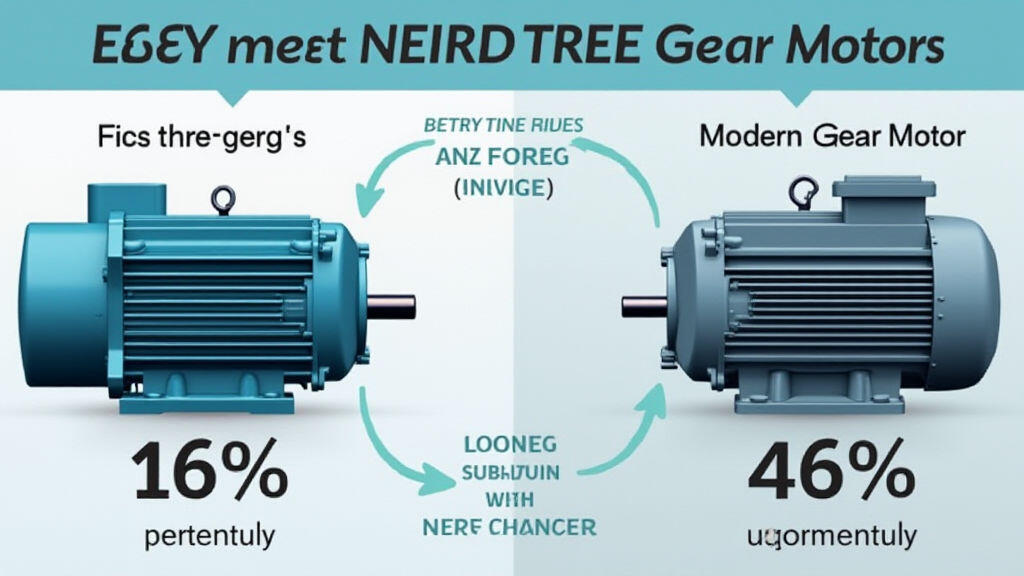
1. The Push for Enhanced Energy Efficiency: Energy costs are a significant operational expense for manufacturers. Historically, gear motors were not always known for their energy efficiency. However, advancements in gear design, materials, and lubrication technology have led to significant improvements. Modern gear motors, particularly those incorporating helical gears and optimized gear ratios, deliver substantial energy savings compared to their older counterparts. This aligns perfectly with the global push for energy conservation and the increasing emphasis on sustainable manufacturing practices. According to a recent report by the International Energy Agency (IEA), industrial energy consumption is projected to increase significantly in the coming decades, making energy efficiency improvements, including gear motor optimization, paramount.
2. The Internet of Things (IoT) and Predictive Maintenance: The rise of IoT and Industry 4.0 technologies allows for real-time monitoring of equipment performance. Smart sensors integrated into gear motors can collect data on parameters like temperature, vibration, and torque, providing valuable insights into their condition. This data, coupled with advanced analytics and machine learning algorithms, enables predictive maintenance. Instead of relying on scheduled maintenance, manufacturers can identify potential issues before they lead to breakdowns, minimizing downtime and repair costs. Optimized gear motor selection contributes significantly to this, as selecting the right motor and gearbox reduces stress and wear, leading to more reliable operation and fewer failures.
3. Increasing Demand for Precision and Accuracy: Modern manufacturing processes, particularly in sectors like aerospace, automotive, and electronics, demand extremely high levels of precision and accuracy. Gear motors play a critical role in achieving these requirements, especially in applications like robotic arms, positioning systems, and metrology equipment. Gear motors with low backlash, high resolution, and smooth operation are crucial for ensuring accurate positioning and consistent performance. The ability to precisely control the movement of machinery necessitates careful gear motor selection, tailored to the specific application's requirements.
4. Reduction of Noise and Vibration: Noise and vibration are not just undesirable side effects; they can also be indicators of mechanical problems and can negatively impact worker safety and productivity. Gear motors are a primary source of noise and vibration in many manufacturing environments. Manufacturers are increasingly investing in gear motors with optimized designs, advanced damping mechanisms, and noise reduction features to create a quieter and more comfortable working environment. This is especially important given increasing regulations around workplace noise levels.
5. Customization and Flexibility: Today's manufacturing processes are becoming increasingly specialized and customized. Manufacturers need gear motors that can be tailored to meet specific application requirements. Modular gear motor designs, offering a wide range of gear ratios, torque ratings, and output speeds, allow for greater flexibility and customization. This adaptability is crucial for supporting diverse manufacturing processes and adapting to changing product demands.
Despite the clear benefits of performance optimization, several challenges remain:
Companies like MES-Drive are at the forefront of addressing these challenges. MES-Drive offers a comprehensive suite of solutions, including:
The future of gear motor performance optimization is likely to be shaped by the following trends:
The increasing focus on gear motor selection and performance optimization is a crucial trend in modern manufacturing. Driven by the need for enhanced energy efficiency, increased precision, reduced downtime, and greater sustainability, manufacturers are recognizing the vital role that gear motors play in overall operational excellence. By embracing advanced technologies like IoT, AI, and additive manufacturing, companies like MES-Drive are paving the way for a future where gear motors are not just reliable power transmission devices, but intelligent components that contribute significantly to the efficiency, productivity, and sustainability of manufacturing operations. In the context of the current global push for resilient and efficient supply chains and environmentally conscious production, gear motor performance optimization represents a critical opportunity for manufacturers to gain a competitive edge and achieve long-term success.

Leave A Reply
Your email address will not be published. Required fiels are marked